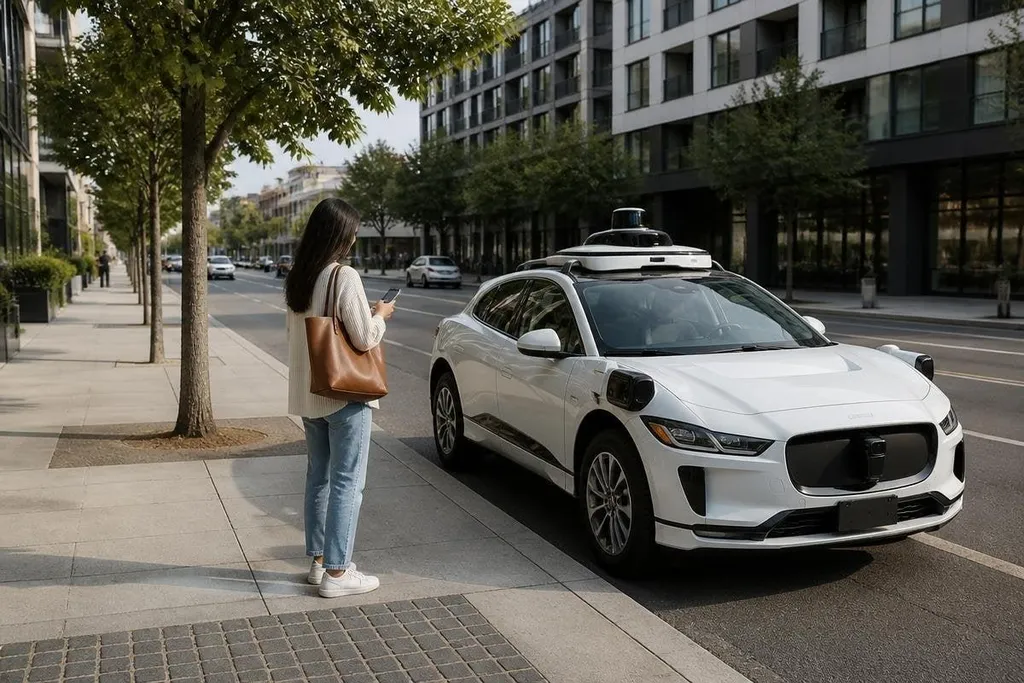
A privately owned car often sits unused for most of the day. A robotaxi could carry different passengers across the same hours, shifting the cost question from “What does my car cost?” to “How often do I need a car at all?”
This matters most if you live in a city, pay for parking, or own a second car for occasional trips. The shift will be slower in places where public transport is limited and one vehicle handles work, school, shopping, and emergencies.
Quick read
- Robotaxis could cut the need for a second household car.
- Fleet owners would pay for charging, cleaning, repairs, and insurance.
- Private cars will remain useful for rural trips, heavy loads, and uncertain routes.
The car spends more time parked than moving
A private car lets you travel whenever you need to, but that access comes with costs even when the car stays in a driveway. Loan payments, insurance, registration, repairs, tires, and parking continue between trips.
A robotaxi fleet changes who pays those costs. The fleet operator buys the vehicle, keeps it charged, schedules repairs, and sends it to another passenger after your trip. You pay for each ride or through a membership plan, depending on the service.
That setup works best for households with predictable travel. If you drive to work twice a week and take short city trips, paying per ride may cost less than owning a second car. The result depends on the local ride price and how often you travel, so a broad promise about savings would be premature.
What happens to the first car?
Car ownership probably won't vanish at once. A household may give up its second car first, keeping one vehicle for trips that are hard to schedule or poorly served by a fleet.
That first change would affect parking demand inside homes and apartment buildings. A family that once needed two parking spaces might need one. A building owner could use fewer spaces for cars, but converting those spaces would still require money, planning, and local approval.
Robotaxis could also open car access to people who can't drive. A service that accepts wheelchair users and offers safe pickup at the curb would meet a real need. The vehicle would need the right ramp, interior space, booking system, and roadside support; software alone can't solve those tasks.
Fleet costs don't disappear
Moving the bill from a household to a fleet does not remove the bill. It changes the work behind it.
Robotaxi operators would need charging sites, cleaning crews, repair shops, remote support, and staff who can recover a vehicle after a blocked lane or sensor fault. Each extra stop takes a vehicle out of service, which can cut the number of rides that fleet can handle.
Heavy use would also add wear to tires, brakes, suspension parts, and battery packs. The service price would have to cover those parts, along with insurance and the cost of vehicles that sit idle during low-demand hours.
A robotaxi can look ready for passengers on a short test route, while regular service also needs night driving, bad weather, and remote help. Look for Robot24.com robotaxi reporting that names the route, weather, date, and operator role. Those details show whether the service can handle regular trips or only a planned demo.
The limits that keep ownership useful
A robotaxi may work well on mapped city roads and still struggle with your least typical trip. A rural address, a gravel road, a trailer, a child seat, or a long drive across several service areas can change the calculation.
Travel at busy times could create another problem. If many passengers request rides at once, prices or wait times may rise unless the fleet has enough vehicles in the right places. A private car avoids that booking step, though it asks you to pay for the vehicle all day.
Weather and road work add more uncertainty. Snow covering lane markings, flooding, temporary signs, and police instructions can test the system in ways a short public demo may not show. Operators would need clear rules for stopping the ride and getting passengers to safety.
I’d keep one private car until a local robotaxi service handles the trips that cause the most trouble, not only the easy ones.
Check your own travel before making a change
A simple record of your trips can show where a robotaxi might fit. Check these points for one month:
- Count regular trips: record work, school, shopping, medical visits, and other repeated routes.
- Mark the hard trips: note rural roads, bulky items, child seats, pets, or times when a ride cannot wait.
- Price current ownership: add loan payments, insurance, fuel, parking, service, tires, and registration.
- Compare ride costs: use the local robotaxi price for each trip, including any booking or waiting charge.
- Keep a backup plan: decide how you'll travel if the service pauses, refuses a route, or has no vehicle nearby.
That record gives you a better answer than a national forecast. If robotaxis cover most routine trips at a price below your second car's monthly cost, selling that second car may make sense. If the service covers only short city rides, it may replace some trips while leaving ownership unchanged.
The next useful test is local: track robotaxi coverage, ride prices, wait times, and failed bookings for a full month before changing the car in your driveway.