
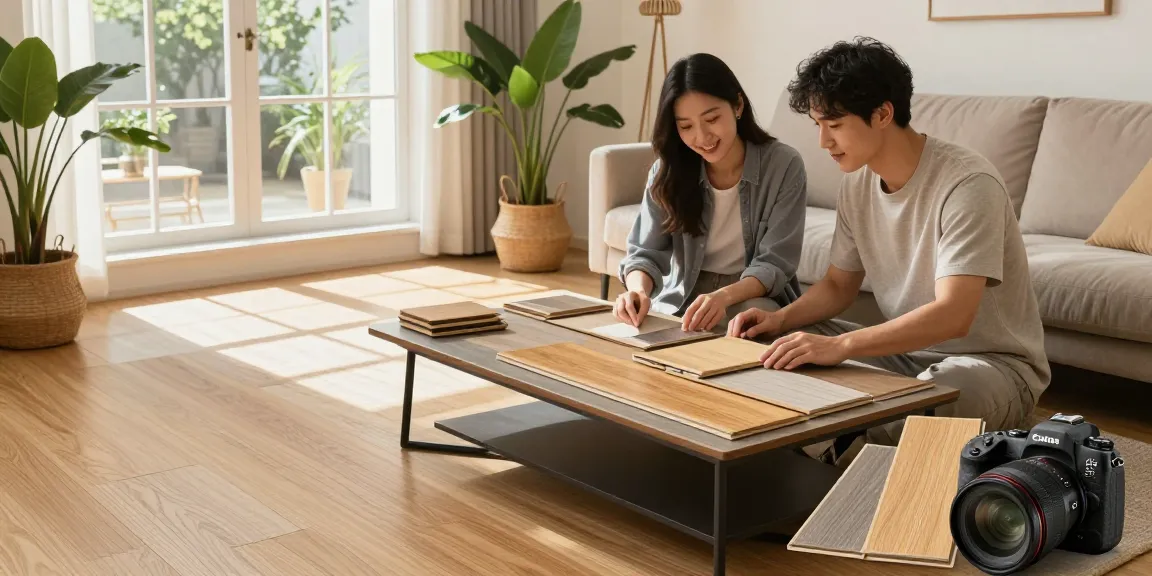
5 Essential Rules for High Quality Flooring Choices Success in 2026
Understanding the Basics of High Quality Flooring Choices
Choosing the right flooring is a critical decision for homeowners in the UK, particularly when considering high quality flooring choices like laminate and engineered wood. Both options come with unique advantages and disadvantages, making it essential to understand their distinct characteristics before making a purchase. In this comprehensive guide, we will explore the fundamental differences, benefits, and considerations for laminate and engineered wood flooring, aiming to equip you with the knowledge to make informed decisions tailored to your needs.
What are Laminate and Engineered Wood Flooring?
Laminate flooring is composed of synthetic materials, typically featuring a core made from high-density fiberboard (HDF) topped with a photographic layer mimicking wood grain, finished with a transparent protective layer. This construction makes laminate highly durable, resistant to scratches, and easy to clean. In contrast, engineered wood flooring comprises a layer of real hardwood on top of layers of plywood or high-density fiberboard, providing the authenticity of natural wood while enhancing stability and reducing the risk of warping or buckling.
Key Differences Between Laminates and Engineered Woods
- Material Composition: Laminate is primarily synthetic, while engineered wood includes genuine hardwood.
- Durability: Laminate is more resistant to scratches and moisture; engineered wood offers a more authentic feel but requires careful maintenance.
- Moisture Resistance: Laminate performs better in humid environments, making it ideal for kitchens and other high-moisture areas.
- Installation: Laminate flooring typically features a click-lock installation system, whereas engineered wood can be nailed, glued, or laid as a floating floor, depending on the product.
Why Quality Matters in Flooring Choices
Quality flooring not only enhances the aesthetic appeal of your home but also contributes to overall comfort and durability. High-quality flooring choices can withstand daily wear and tear, reducing replacement costs over time. Furthermore, it adds significant value to your property, making it an essential consideration for homeowners and investors alike.
Evaluating Your Needs for High Quality Flooring
Budget Considerations for Flooring Options
Your budget plays a significant role in deciding between laminate and engineered wood. Laminate tends to be more budget-friendly, making it a suitable choice for those looking to minimize upfront costs. On the other hand, engineered wood typically comes with a higher price tag but offers increased longevity and the benefit of higher resale value.
Lifestyle Impacts on Flooring Durability
Understanding your lifestyle is crucial when selecting flooring. Families with children or pets will require more durable solutions. In such cases, laminate flooring can withstand more wear and tear compared to engineered wood. Conversely, if your home has lower foot traffic and you prioritize aesthetics, engineered wood may be worth the investment.
Design Preferences and Aesthetic Choices
Design preferences are another vital factor. Laminate flooring can replicate various wood styles, but it might lack the depth and texture of real wood. Engineered wood, with its natural finish and rich grain patterns, offers a more luxurious look. Choosing flooring that aligns with your home’s interior design is critical for a cohesive aesthetic.
Comparing Costs: Laminate vs. Engineered Wood
Long-term Value and Investment Analysis
While laminate flooring is less expensive initially, engineered wood often provides better long-term value due to its durability and potential for refurbishment. Homebuyers often perceive engineered wood as a premium option, which can enhance your property’s value significantly more than laminate.
Installation Costs and DIY Options
Installation costs vary widely. Laminate’s click-lock systems allow for easy DIY installations, often saving you money on labor costs. However, engineered wood may require professional installation, which can increase overall expenses. Assessing your DIY skills and the complexity of the installation is essential when budgeting.
Maintenance Expenses Over Time
Maintenance costs should also factor into your decision. Laminate flooring is generally easy to maintain, requiring only regular cleaning. Engineered wood, while beautiful, typically requires periodic refinishing to preserve its appearance, adding to its long-term upkeep costs.
Making the Right Choice for Your Home Environment
Choosing Flooring for High Traffic Areas
High-traffic areas, such as hallways and living rooms, demand flooring that can withstand heavy use. Laminate’s scratch-resistant surface makes it ideal for these spaces. Engineered wood can also work, but it may require more care and protection to maintain its finish.
Kitchen and Bathroom Considerations
When it comes to moisture-prone areas like kitchens and bathrooms, laminate flooring holds a notable advantage due to its superior moisture resistance. Engineered wood can be used in these areas but should be properly sealed and maintained to prevent water damage.
How to Match Flooring to Interior Design Trends
Aligning your flooring choice with current interior design trends enhances aesthetic appeal. In 2026, natural finishes and sustainable materials will continue to dominate, making engineered wood a trendy option. However, innovative laminate styles are also emerging, offering consumers a vast range of choices to fit various design preferences.
Expert Tips for Successful Flooring Installation
Preparing Your Space for New Flooring
Proper preparation is essential for a successful flooring installation. Ensure the subfloor is clean and level, and acclimate your flooring to the room’s temperature and humidity before installation. This will help prevent issues such as warping or buckling.
Hiring Professionals vs. DIY Installation
Deciding between professional installation and a DIY approach largely depends on your experience and the complexity of the flooring. While hiring professionals can ensure a flawless finish, DIY can save costs if you’re confident in your skills and have the right tools.
Post-Installation Care for Longevity
Post-installation care is crucial for prolonging the life of your flooring. Regular cleaning and prompt attention to spills will keep laminate looking new. For engineered wood, consider applying a protective finish after installation to enhance durability and reduce maintenance needs.
What are the benefits of engineered wood flooring?
Engineered wood flooring offers numerous benefits, including enhanced stability, real wood aesthetics, and the ability to be refinished multiple times, making it a sustainable choice for homeowners looking for long-term flooring solutions.
How do I maintain laminate flooring?
Maintaining laminate flooring is straightforward: regular sweeping and occasional mopping with a damp cloth will keep it looking its best. Avoid excessive water and harsh cleaners to preserve the surface.
Which flooring option is best for pets?
For pet owners, laminate is often the more practical choice due to its scratch resistance and easier cleanup. However, some engineered woods are designed specifically for pet owners, offering durable finishes that withstand scratches and stains.
How does moisture influence flooring choices?
Moisture is a critical factor in flooring choices. Laminate flooring generally handles humidity better than engineered wood, making it suitable for potentially damp areas. Homeowners need to assess moisture levels in their environment before making a selection.
What trends should I expect in flooring for 2026?
In 2026, expect to see trends leaning toward sustainable materials, natural finishes, and eco-friendly options. Both laminate and engineered wood are evolving, with manufacturers introducing innovative designs that reflect these changing preferences in lifestyle and aesthetics.